
Mother Nature has always been very temperamental, but this past month she has been exceptionally irritable. Showcasing her power on a global scale, from hurricanes to floods, water and wind have been taking center stage.
Her fury is quite evident with the landfall of a category 3 hurricane named Harvey, the first major hurricane to touch down in the United States since Wilma in 2005. Texas has experienced a great deal of damage, with Houston having been particularly devastated.
While it’s easy to be tuned into what is happening in your immediate surroundings, it is also good to be aware of what is going on in other countries. Currently, Southeast Asia is also suffering from their own version of catastrophic waterworks.
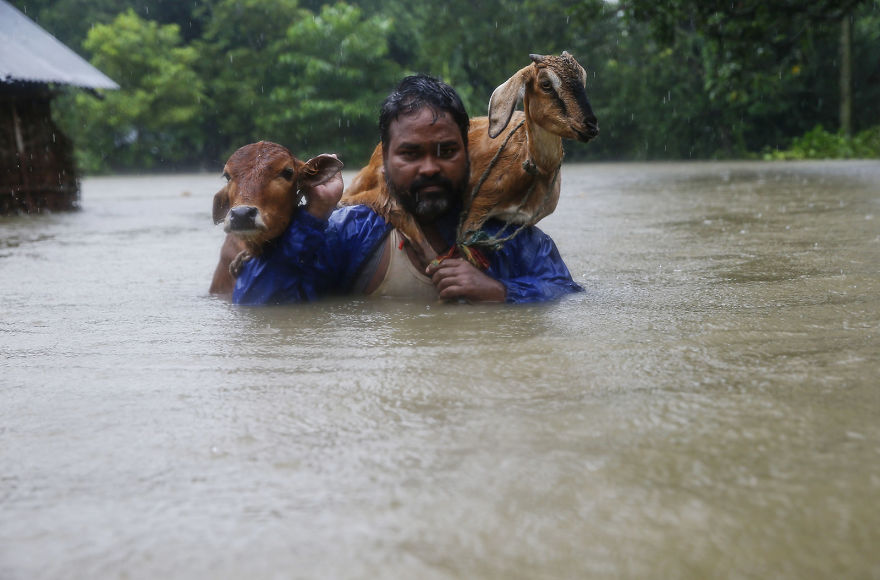
For weeks, extremely heavy monsoon rains have relentlessly poured down on India, Nepal, and Bangladesh, leading to horrific flooding. Rescue workers and aid organizations believe this is the worst flooding they’ve seen in decades. The flooding has caused landslides, destroyed tens of thousands of homes, and killed over 1,000 people.
According to the United Nations Office for the Coordination of Humanitarian Affairs, the agency estimates that almost 41 million people have been affected in the three countries.
In addition to the agricultural and structural damage, citizens now have to worry about the threat of waterborne diseases spreading throughout the flooded terrain. While food shortages are a primary concern, it is evident that the multiple issues the flooding has caused will need to be addressed immediately after.
“What is challenging is that this is just another disaster on top of four famines in Africa and the Middle East, a cholera crisis in Yemen, protracted emergencies in Syria and Afghanistan. Donor fatigue is a significant concern. When you have this many simultaneous disasters, it’s hard to draw attention to any particular one,” stressed Jono Anzalone, Vice President of International Services at the American Red Cross, who just returned from Bangladesh, where he witnessed flood relief efforts.
These natural disasters are essentially exhausting the efforts of relief groups that operate internationally. Many of the same organizations are being besieged for help in both the United States and Southeast Asia. Ideally, there should be access to enough resources to assist communities in returning to a state of normalcy.
With disasters both natural and human-induced occurring simultaneously around the world on any given day, it is easy to become overwhelmed or even numb to them. Simply being aware of global situations is a step forward in the right direction. Each step can lead to a bigger step on the road to facilitating changes in the circles of decision makers.